
The short version
- Shipping a container from Asia to the U.S. costs well over twice what it did a year ago.
- Memory chips, which go into nearly every device we install, have roughly doubled in price since late 2025.
- Tariffs, copper duties, and new import rules add to the cost, and manufacturers are passing it on.
- Some relief is expected in 2027, but planning ahead and approving quotes promptly still saves money.
Almost everything we install, from security cameras and access control panels to network switches, WiFi access points, phones, and servers, is built overseas and shipped here by sea. Over the past year, several separate pressures have stacked on top of each other, and together they’ve raised what that equipment costs before it ever reaches your building.
Freight: shipping costs more than twice what it did a year ago
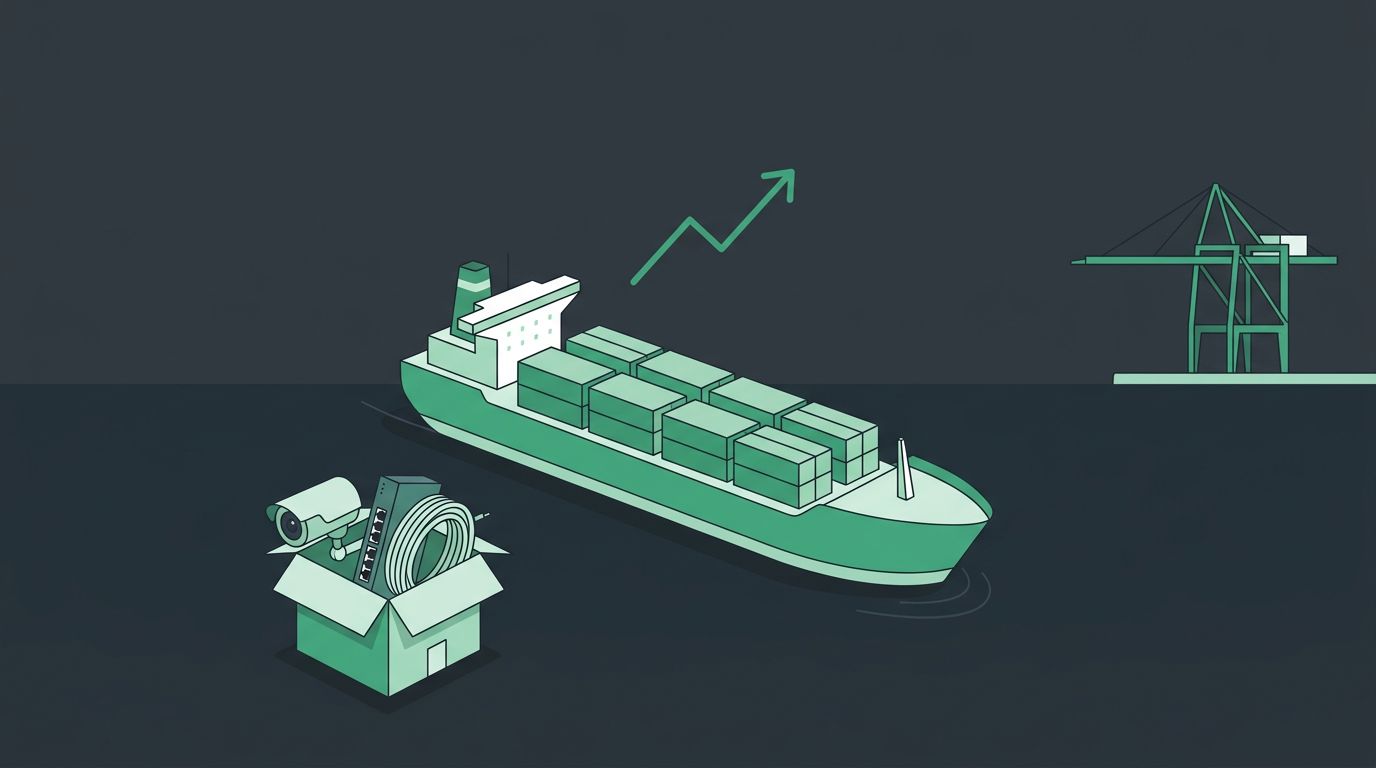
On October 15, 2026, Drewry’s World Container Index put the average cost of shipping one 40-foot container at $4,485. A year earlier it was $1,687. Shipping that container from Shanghai to Los Angeles now runs about $7,884, up from about $2,195 in October 2025.
Three things are behind it:
- Ships are taking the long way around. After the U.S. and Israeli strikes on Iran in March 2026, carriers went back to sailing around Africa instead of through the Red Sea and the Suez Canal. That adds one to two weeks to many trips, and by September only about a quarter of the rerouted ships had returned to the Suez route.
- Busy ports. Congestion at Shanghai and a string of typhoons slowed loading in September.
- Importers ordering early. Companies rushed orders ahead of tariff deadlines, which filled ships and pushed rates up further.
Memory chips: the biggest jump of all
The same memory and storage chips that power AI data centers also go into cameras, video recorders, switches, firewalls, computers, and servers. AI demand has pulled so much of the world’s supply toward data centers that everyone else is paying more for what’s left.
- Research firm TrendForce reported that contract prices for standard memory (DRAM) rose 90 to 95% in the first quarter of 2026 alone, with PC memory up more than 100%.
- Prices rose another 58 to 63% in the second quarter, and TrendForce expects a further 10 to 15% increase this quarter, with flash storage up 15 to 20%.
Manufacturers have passed the cost along. Dell raised server prices in December 2025 and repriced open PC quotes in January 2026. Cisco said on its February 2026 earnings call that it was raising prices because of memory costs. Ubiquiti added a memory surcharge of up to 5.8% on many products in April 2026 and has revised it twice since.
A video recorder or server can now cost noticeably more than the same model did a year ago, and the difference is mostly the memory and storage inside it.
Tariffs and copper
Tariffs have changed several times in 2026, which makes it hard for anyone to hold a price for long:
- The broad 2025 tariffs were struck down. In February 2026, the Supreme Court ruled that the emergency-powers law used for most 2025 tariffs doesn’t allow them. Importers are getting refunds, and the headline tariff on Chinese goods dropped.
- New tariffs replaced some of them. Since July 24, 2026, new Section 301 tariffs of roughly 10 to 13% apply to goods from China, Vietnam, Taiwan, Mexico, and dozens of other countries. Computers, servers, and most network equipment are exempt, but many other parts aren’t, and the older China tariffs from 2018 and 2019 still apply.
- Chips and copper have their own tariffs. A 25% tariff on certain advanced chips started in January 2026, and a 50% tariff on imported copper wire, cable, and connectors has applied since August 2025. Copper itself hit record prices this summer, which affects every cable run.
New rules for security cameras
Federal rules have restricted Chinese camera brands such as Hikvision and Dahua since 2019, and the FCC moved in 2026 to block new imports and sales of their previously approved equipment (what that means for existing cameras). Cameras that are already installed can keep running, and in many cases we can keep using your existing cameras. As more buyers move to NDAA-compliant brands, which usually cost more to build, demand for those brands goes up as well.
What’s getting better
It isn’t all bad news:
- Shipping analysts expect container rates to fall after the holiday shipping season, and a wave of new ships arriving in 2027 should push them lower.
- Memory price increases are slowing, from about 90% in one quarter to a forecast 10 to 15% now. Memory makers say supply will stay tight through 2027, though, so don’t expect prices to fall back soon.
- Most computer and network equipment is exempt from the newest tariffs.
Planning a project or an upgrade?
Prices on most equipment can change from one month to the next right now. If you’re budgeting for cameras, access control, a network refresh, or new computers, it pays to plan early and lock in pricing when you can.
How to plan around rising equipment costs
- Approve quotes promptly. Equipment prices can change before a quote is accepted, so quotes may carry shorter expiration dates than you’re used to.
- Plan replacements ahead of failures. Replacing aging switches, recorders, or computers on your own schedule is cheaper than an emergency purchase at whatever the price is that week. With managed IT, we track the age of your equipment and plan replacements with you.
- Size storage carefully. Hard drives and memory are where prices have climbed the most, so we match video retention and server storage to what you actually need.
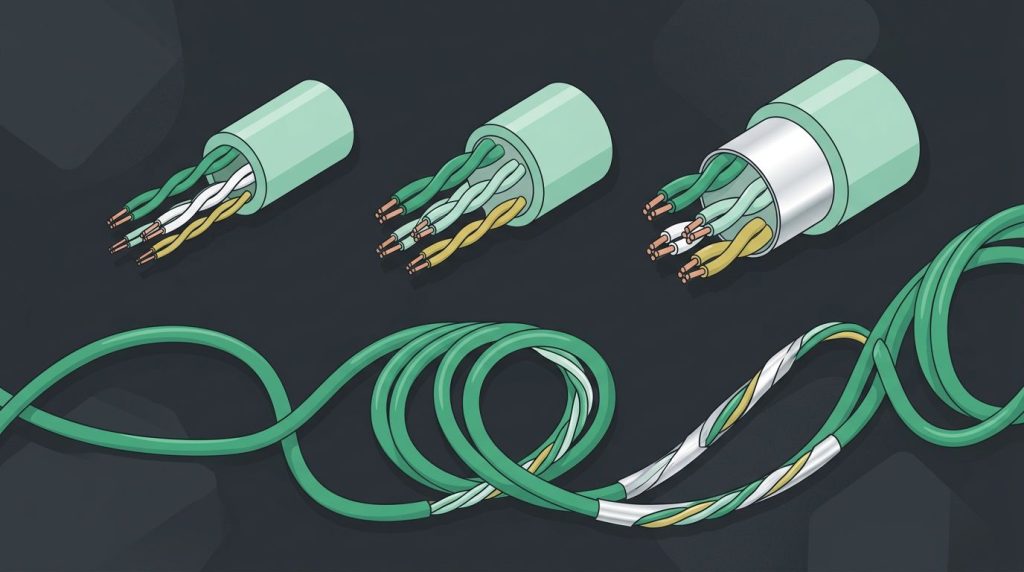
- Don’t cut corners on cable. Cheap copper-clad aluminum cable is tempting when copper is expensive, but it doesn’t meet standards and fails sooner. Pure copper, installed once, still costs less over the life of the building. Here’s how to choose the right network cable.
- Choose compliant equipment. NDAA-compliant cameras and recorders cost more up front, but they won’t need to be ripped out if the rules tighten again.
Questions about your setup? Call Complete I.T. at (813) 444-4355 or request a free assessment, and we’ll call you to talk it through.
Sources
- Drewry World Container Index, October 15, 2026
- Drewry World Container Index, October 16, 2025 (AJOT)
- Supply Chain Dive: transpacific ocean rates, October 9, 2026
- World Cargo News: carriers divert ships after strikes on Iran, March 2026
- Metro: Suez returns as Middle East shipping risks intensify, September 2026
- TrendForce: 1Q26 memory contract prices
- TrendForce: 2Q26 DRAM prices and revenue
- TrendForce: 4Q26 memory price forecast
- CIO Dive: Dell reprices PCs and servers
- The Register: Cisco Q2 2026 earnings
- Streakwave: Ubiquiti memory surcharge notice
- Orrick: Supreme Court strikes down IEEPA tariffs
- Federal Register: Section 301 actions, July 28, 2026
- White & Case: 25% Section 232 tariff on certain advanced chips
- Sandler, Travis & Rosenberg: 50% copper tariff
- SecurityInfoWatch: FCC action on Hikvision and Dahua products
- BIMCO 2027 container shipping outlook
- CIO: Micron says the memory squeeze lasts into 2028